


Vintage Watches vs Modern Watches: A Collector's Comparison
Vintage and modern watches ask different things of an owner; this guide compares build quality, servicing, value and daily wear so you can choose the right one.
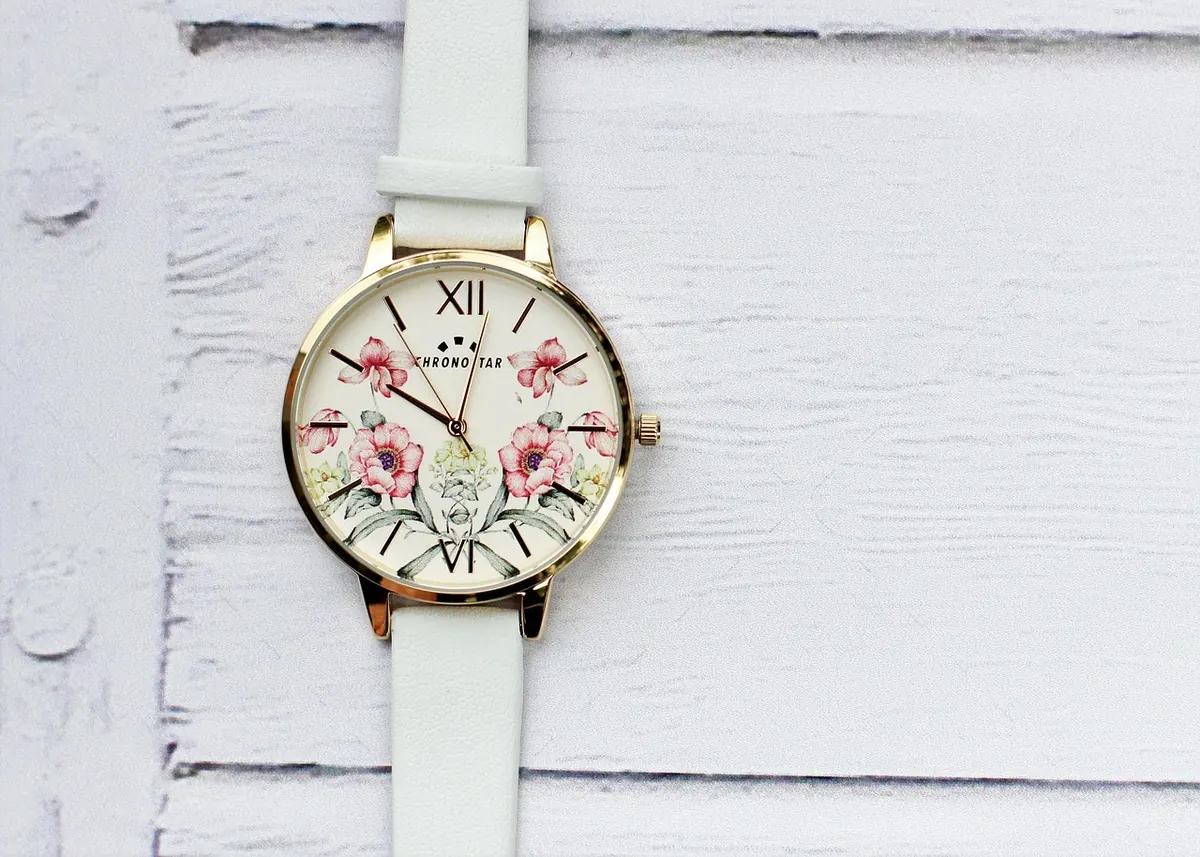
A 1960s Omega Seamaster and a watch bought new this month can sit in the same box and appeal to entirely different instincts. One carries the scuffs of another person's decades; the other arrives with a warranty and a promise of accuracy that will still hold in five years. Neither is the better watch. The useful question is which one suits your wrist, your budget and your patience.
Vintage Is a Spectrum, Not a Label
Collectors usually draw the line at the quartz crisis of the 1970s, when battery-powered movements swept through the industry and mechanical watchmaking contracted sharply. In practice, the useful dividing lines are narrower. A hand-wound dress watch from the 1950s, a 1970s cushion-case automatic and a 1990s quartz diver all get filed under vintage, and they demand very different things from an owner.
As a rough map: pre-1970s pieces are the classics, with acrylic crystals and small cases. The 1970s to the 1990s is often called neo-vintage — bigger cases, sapphire or mineral glass, quick-set dates, and parts a competent watchmaker can still source. Anything newer usually has a dealer and service network behind it, which changes the ownership experience entirely.
Build Quality: Different Priorities, Not Different Standards
Vintage watches were designed to be repaired, not sealed for life. Cases were often cut from softer stainless steel, so they dent where a modern case would chip. Plating wears thin at the crown and lugs. Dials were brass with lacquer, printed or applied, and the luminous paint has usually faded to a warm cream or, on later tritium dials, to a patchy brown.
Acrylic crystals are the giveaway. They scratch if you look at them wrong, but a little polishing paste and a soft cloth will bring one back in a minute, and they don't shatter into fragments. Modern watches take the opposite approach: sapphire crystal, ceramic or steel bezels, harder alloys, tighter tolerances, gaskets that actually seal, and anti-reflective coating on both sides of the glass.
None of that makes modern automatically better made. Hand-finishing on an older movement — bevelled bridges, gentle striping, blued screws — can be far more appealing than the plain industrial finish inside a budget modern watch. Judge each piece on its own merits rather than its era.
Accuracy, Durability and Everyday Wear
A well-serviced vintage mechanical can keep good time on the wrist, but it will drift with position, temperature and how much you move. Modern movements use better alloys, more efficient escapements and, in some cases, silicon components that resist magnetism and temperature change. If you want to set a watch on Monday and forget it, that's the modern column.
Water resistance is where vintage ownership most often goes wrong. A watch that once claimed to be waterproof has spent decades with rubber gaskets hardening and shrinking. "It survived a shower" is not a test. Unless it has had new gaskets and a recent pressure test, treat any vintage watch as splash-resistant at best, and never dive with it.
One safety point worth knowing: many watches made before the 1960s used radium-based luminous paint. Sealed behind an intact crystal it isn't a concern in normal wear, but flaking paint and dust are a different matter, particularly if a case is opened carelessly. Don't open a radium-dialled watch yourself, and if you see loose or crumbling lume, ask a specialist to advise before wearing or servicing it.
Servicing and the Cost of Age
A mechanical watch needs attention roughly every five to seven years, or sooner if it starts running fast, slow or erratically. On a modern watch that's a routine job with parts available from the maker. On a vintage watch it's a conversation. Parts may be scarce, some components may only exist inside donor movements, and not every watchmaker will touch a fifty-year-old calibre.
Ask these questions before you commit to anything:
- Has the movement been serviced, and by whom?
- Are the dial, hands, bezel insert and crown original to the watch?
- Is the case tired from over-polishing, with softened lugs and blurred edges?
- Can your watchmaker source the parts likely to wear out?
- Will you get a written estimate before work begins, and the old parts back afterwards?
Over-polishing is the quiet destroyer of vintage value. A case with crisp edges and original bevels is worth preserving; a case that has been buffed smooth is a different, cheaper object.
Value: What You're Actually Paying For
Vintage value comes from scarcity, condition, originality and provenance, roughly in that order. A complete set with box and papers is pleasant, but on older watches the condition of the dial and case matters more. Be wary of "franken" watches assembled from mismatched parts, and of redialled pieces, where the printing is too sharp, too flat or simply not what the maker used.
Modern value works differently. Many new watches lose part of their price the moment they leave the shop and then settle; a few references hold or gain, but that isn't something to rely on. Limited editions are marketing as much as scarcity, and popular models can cool quickly.
Treat any purchase as money spent on something you want to wear. If serious sums are involved, have the watch examined by an independent watchmaker first, and take proper advice rather than a forum's enthusiasm.
Choosing Between the Two
There's no wrong answer, only a mismatch between watch and owner. A quick way to decide:
Lean vintage if
- You enjoy the marks of age and don't mind a scuff or two.
- You'll accept a service bill and a wait every few years.
- You like smaller cases, warmer dials and a story attached.
- You can live without swimming in it.
Lean modern if
- You want accuracy, screw-down crowns and real water resistance.
- You'd rather not hunt for parts or a specialist.
- You need lume that actually glows and a bracelet with micro-adjustment.
- You want a warranty rather than
Photo: imedias / Pixabay